When it comes to enhancing the performance of your 2JZ engine, upgrading the Engine Control Unit (ECU) is a game changer. Think of the ECU as the brain of your vehicle—it controls everything from fuel delivery to ignition timing. By upgrading this critical component, you’re not just making a tweak; you’re unlocking a world of advanced tuning possibilities that can significantly boost your engine’s power and efficiency.
Many car enthusiasts often underestimate the impact of a quality ECU upgrade. It’s like giving your engine a new pair of glasses; suddenly, it can see the road ahead more clearly and respond faster to your commands. With the right ECU, you can fine-tune various parameters to match your performance goals, whether you’re aiming for street dominance or track supremacy. This upgrade allows for more precise adjustments to fuel maps, ignition timing, and even boost control, which can lead to impressive gains in horsepower and torque.
But why stop there? Upgrading your ECU also opens the door to features that can enhance your driving experience. Imagine being able to monitor your engine’s performance in real-time, adjusting settings on the fly, and optimizing your fuel efficiency based on driving conditions. With modern standalone ECUs, you can achieve all of this and more. They provide a level of customization that simply isn’t possible with factory settings.
In the world of tuning, knowledge is power. The more you understand about your ECU options, the better equipped you’ll be to make informed decisions that align with your performance aspirations. Whether you choose a standalone or piggyback ECU, each has its own set of advantages and challenges. Understanding these differences can help you select the best system for your unique needs, ultimately leading to a more satisfying driving experience.
So, are you ready to take the plunge? Upgrading your 2JZ’s ECU isn’t just a modification; it’s a pathway to unleashing the full potential of your engine. With the right tools and knowledge, you can transform your vehicle into a high-performance machine that responds to your every command. The journey might require some investment and learning, but the rewards are well worth it. Buckle up and get ready for an exhilarating ride!
Why ECU Upgrades Are Critical for 2JZ Performance Builds
When it comes to unlocking the full potential of your 2JZ engine, upgrading the Engine Control Unit (ECU) is not just a suggestion—it’s a necessity! Think of the ECU as the brain of your engine; it controls everything from fuel delivery to ignition timing. Without a proper upgrade, you’re essentially leaving horsepower on the table. Why settle for mediocrity when you can achieve greatness?
Upgrading your ECU provides you with the ability to fine-tune performance parameters, allowing for better control over your engine’s behavior. This means you can optimize for power, efficiency, and even emissions. Imagine being able to adjust your engine’s settings to suit different driving conditions or personal preferences! It’s like having a custom-tailored suit for your car—perfectly fitted and ready to perform.
One of the most significant benefits of ECU upgrades is the enhanced tuning capabilities. With a stock ECU, you’re often limited by factory settings that prioritize fuel economy over performance. However, an upgraded ECU allows you to:
- Adjust fuel maps: Ensure your engine gets the right amount of fuel under various conditions.
- Modify ignition timing: Improve throttle response and overall power output.
- Control boost levels: Perfect for those looking to push their turbocharged 2JZ to new heights.
Furthermore, with advanced features like data logging, you can track real-time performance metrics. This allows you to make informed adjustments that can lead to significant gains in both power and efficiency. It’s like having a personal coach that helps you refine your skills!
In summary, upgrading the ECU on your 2JZ engine is critical for anyone serious about performance. Not only does it provide better control and tuning options, but it also opens the door to a world of possibilities that can transform your driving experience. If you want to take your performance build to the next level, investing in a quality ECU upgrade is the first step.
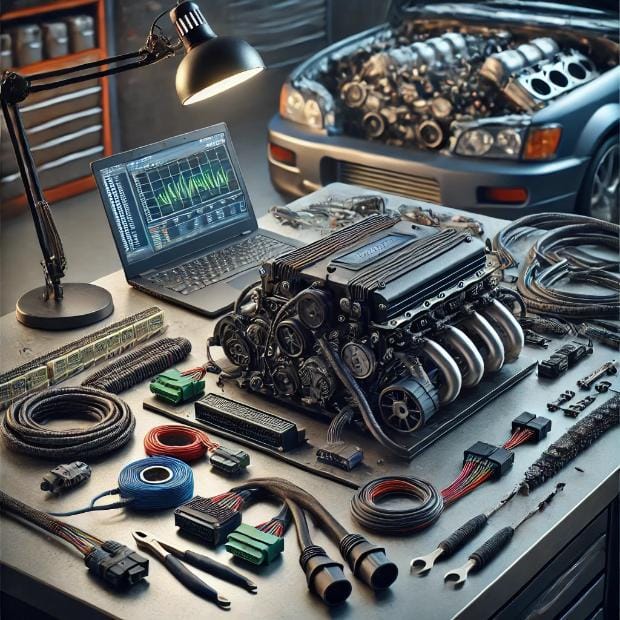
Standalone vs. Piggyback ECU Systems: Pros and Cons
When it comes to tuning your 2JZ engine, one of the biggest decisions you’ll face is whether to go with a standalone or a piggyback ECU system. Each option has its own set of advantages and challenges, and understanding these can help you make an informed choice that aligns with your performance goals.
Standalone ECU systems are like having a blank canvas for your engine’s performance. They offer comprehensive control over every aspect of engine tuning, allowing for extensive customization of fuel maps, ignition timing, and boost control. This means you can fine-tune your setup to get the most out of your engine, especially if you’re aiming for high horsepower or competing in motorsports. However, this flexibility comes at a cost—both in terms of money and the technical know-how required for installation and tuning. You’ll often need professional assistance, which can add to your overall expenses.
On the flip side, piggyback ECU systems are designed to enhance the performance of your factory ECU without completely replacing it. They are generally easier to install and can provide noticeable improvements in performance with less hassle. This makes them a popular choice for those who want a boost in power without diving deep into the complexities of tuning. However, it’s important to note that piggyback systems can have limitations in terms of the adjustments you can make, which means they might not be the best option for those looking to push their 2JZ to the absolute limits.
To help you weigh your options, here’s a quick comparison:
| Feature | Standalone ECU | Piggyback ECU |
|---|---|---|
| Control | Full control over tuning parameters | Limited adjustments to factory settings |
| Installation Complexity | Requires advanced technical skills | Simple and straightforward |
| Cost | Higher upfront costs | Generally more affordable |
| Performance Potential | Maximized for serious builds | Moderate improvements |
In summary, the choice between a standalone and a piggyback ECU system ultimately depends on your specific needs and goals. If you’re serious about performance and willing to invest the time and money, a standalone system might be the way to go. However, if you’re looking for a simpler, cost-effective solution, a piggyback ECU could be just what you need to enhance your 2JZ’s performance without the steep learning curve.
Standalone ECU Systems
When it comes to maximizing the performance of your 2JZ engine, choosing a standalone ECU system can be a game changer. These systems provide unparalleled control over your engine’s parameters, allowing you to fine-tune every aspect of your setup. Imagine having the ability to adjust fuel maps, ignition timing, and boost levels with pinpoint accuracy—this is the power that a standalone ECU offers.
Standalone ECUs are designed for those who are serious about performance. They allow for extensive customization, making them ideal for high-performance builds where every horsepower counts. However, it’s important to note that with great power comes great responsibility. Installing and tuning a standalone ECU often requires a deeper understanding of engine management and tuning principles. This can be a bit daunting for beginners but is incredibly rewarding for those willing to invest the time and effort.
Here are some key benefits of opting for a standalone ECU system:
- Flexibility: You can make precise adjustments to various parameters, enabling you to tailor your engine’s performance to your specific needs.
- Advanced Features: Many standalone systems come equipped with features such as data logging, which allows you to monitor performance in real-time, making it easier to troubleshoot and optimize your setup.
- Boost Control: Standalone ECUs often include advanced boost control options, which can significantly enhance your engine’s performance under boost conditions.
However, it’s not all sunshine and rainbows. The challenges associated with standalone systems can be significant:
- Complex Installation: Installing a standalone ECU often requires modifications to your wiring harness and can be more complex than a piggyback system.
- Cost: Standalone systems typically come with a higher price tag, not just for the unit itself but also for the tuning process, which may require professional help.
In summary, while standalone ECU systems provide incredible tuning potential for your 2JZ engine, they also demand a higher level of commitment and expertise. If you’re ready to dive deep into the world of performance tuning, a standalone ECU may just be the key to unlocking your engine’s full potential.
Benefits of Standalone Systems
When it comes to maximizing the performance of your 2JZ engine, standalone ECU systems are often the crown jewel of tuning options. These systems provide an unmatched level of control over your engine’s parameters, allowing you to fine-tune aspects such as fuel delivery, ignition timing, and boost levels with incredible precision. Imagine having the ability to tweak every little detail of your engine’s performance—it’s like being the maestro of a symphony, where every note must be perfect to create a harmonious outcome.
One of the standout advantages of standalone systems is their flexibility. Unlike factory ECUs, which have preset parameters that can limit your tuning potential, standalone units allow for extensive customization. This means you can tailor your engine’s performance to suit your specific driving style or racing needs. Whether you’re looking for a daily driver that sips fuel efficiently or a track monster that roars with power, a standalone ECU can help you achieve your goals.
Additionally, standalone systems often come equipped with advanced features such as data logging capabilities. This allows you to monitor real-time engine performance, making it easier to identify issues and make informed tuning decisions. With data logging, you can track metrics like air-fuel ratios, engine temperatures, and boost levels, all of which are crucial for optimizing performance. Think of it as having a personal coach who provides you with insights and feedback to help you improve continuously.
However, it’s important to note that while standalone systems offer these incredible benefits, they do come with some challenges. Installation can be complex, often requiring a solid understanding of automotive electronics and tuning principles. It’s not just a plug-and-play solution; it demands a commitment to learning and possibly seeking professional help. But for those willing to invest the time and effort, the rewards are well worth it.
| Benefits | Description |
|---|---|
| Customization | Allows for precise tuning of fuel maps, ignition timing, and boost control. |
| Data Logging | Real-time monitoring of engine performance for better tuning accuracy. |
| Performance Gains | Can lead to significant improvements in power and efficiency. |
In summary, if you’re serious about unlocking the full potential of your 2JZ engine, investing in a standalone ECU system can be a game-changer. With the right knowledge and dedication, you can transform your vehicle into a finely-tuned machine that delivers exhilarating performance on demand.
Challenges of Standalone Systems
While standalone ECU systems offer a multitude of advantages, they also come with their own set of challenges that can make them daunting for some enthusiasts. First and foremost, the complexity of installation cannot be understated. Unlike piggyback systems that can often be plugged into existing setups, standalone ECUs require a thorough understanding of the engine’s wiring and tuning parameters. This means that if you’re not familiar with automotive electronics, you might find yourself in over your head.
Another significant hurdle is the learning curve associated with tuning. Standalone systems provide extensive customization options, which is fantastic for maximizing performance, but it also means that you need to invest time in learning how to use the software effectively. Many users find themselves sifting through manuals and online forums to figure out the best settings for their specific application. Without this knowledge, the potential benefits of the standalone ECU could be lost.
Moreover, the cost factor can be a deterrent. Standalone ECUs are typically more expensive than their piggyback counterparts, not just in terms of the unit itself but also regarding installation and tuning services. If you’re on a budget, this can significantly impact your decision-making process. You might find yourself weighing the cost vs. benefit ratio heavily before committing to such an upgrade.
Lastly, compatibility issues can arise, especially if you’re working with a modified engine setup. Some standalone systems may not support certain aftermarket components or modifications, which can lead to frustration during the installation process. It’s crucial to do your homework and ensure that the ECU you choose will work seamlessly with your existing hardware.
In summary, while standalone systems can unlock incredible performance potential for your 2JZ engine, be prepared to face challenges related to complexity, learning curves, costs, and compatibility. Weighing these factors carefully will help you make an informed decision that aligns with your performance goals and technical abilities.
Piggyback ECU Systems
Piggyback ECU systems are a popular choice among car enthusiasts looking to enhance their vehicle’s performance without diving into the complexities of a standalone system. These systems are designed to work alongside the factory ECU, effectively augmenting its capabilities. Imagine your factory ECU as a solid foundation; a piggyback ECU is like adding an impressive second story that allows for greater performance without tearing down the entire structure. This makes them particularly appealing for those who want a moderate performance boost while keeping things relatively simple.
One of the key advantages of piggyback systems is their ease of installation. Most piggyback ECUs can be plugged directly into the existing wiring harness, allowing for a quick and straightforward setup. This means that even if you’re not a tech wizard, you can still achieve noticeable improvements in performance. However, it’s important to note that while they are simpler to install, they do come with their own set of limitations. For instance, they may not offer the same level of customization and tuning options as standalone systems, which could be a dealbreaker for serious racers or performance junkies.
Another significant benefit of piggyback systems is their cost-effectiveness. Typically, they are less expensive than standalone ECUs, making them a great option for those on a budget. Here’s a quick breakdown of the pros and cons of piggyback ECU systems:
| Pros | Cons |
|---|---|
|
|
In summary, piggyback ECU systems are an excellent gateway for those looking to dip their toes into performance tuning. They offer a balance of simplicity and effectiveness, making them a solid choice for many 2JZ enthusiasts. However, if you’re aiming for the highest levels of performance and customization, you might eventually find yourself considering a standalone ECU system as your needs evolve.
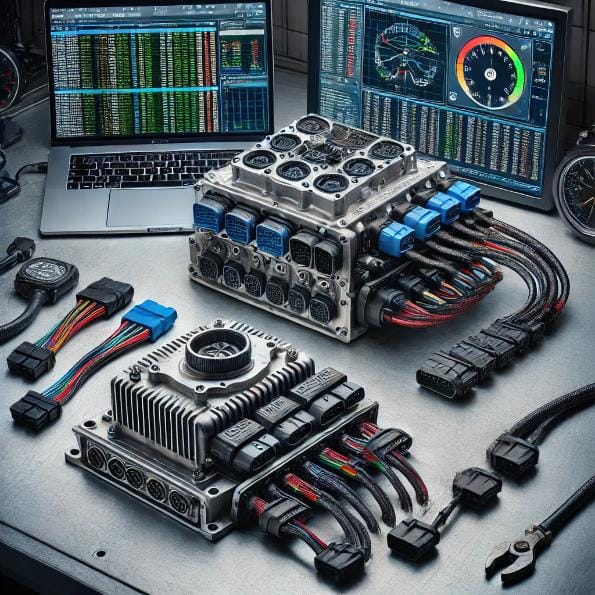
Top ECU Brands for the 2JZ: Haltech, MoTeC, AEM & More
When it comes to upgrading your 2JZ engine, selecting the right ECU brand can make all the difference in achieving optimal performance. Several brands stand out in the market, each offering unique features tailored for the 2JZ platform. Let’s dive into some of the top contenders: Haltech, MoTeC, and AEM.
Haltech is a household name among car enthusiasts and tuners alike. Known for its advanced tuning capabilities and user-friendly interfaces, Haltech ECUs allow for a high degree of customization. This brand is particularly favored by those who want to push their 2JZ engines to the limit. With features like real-time data logging and extensive mapping options, Haltech gives you the tools to fine-tune your engine for maximum output.
On the other hand, MoTeC is often regarded as the go-to choice for serious racers. Their ECUs are celebrated for their precision and extensive features, making them ideal for those who demand the utmost control over their engine’s performance. MoTeC systems are designed with a focus on reliability and performance, which is why they are a popular choice in competitive racing environments. The investment in a MoTeC ECU can lead to significant gains in both power and efficiency, especially when every millisecond counts on the track.
Lastly, we have AEM, which offers versatile ECU solutions that cater to a wide range of performance needs. AEM’s products are designed to enhance tuning flexibility and engine management, making them suitable for both street and race applications. Whether you’re looking to run high-performance fuel maps or manage complex boost control setups, AEM provides the necessary tools to get the job done right. Their ECUs are also known for their ease of installation, making them a favorite among DIY enthusiasts.
Here’s a quick comparison of these top ECU brands:
| Brand | Key Features | Ideal For |
|---|---|---|
| Haltech | Advanced tuning, real-time data logging | Enthusiasts seeking customization |
| MoTeC | Precision control, extensive features | Serious racers needing reliability |
| AEM | Versatile solutions, easy installation | DIY enthusiasts and street applications |
Choosing the right ECU brand is crucial for unlocking your 2JZ engine’s full potential. Each brand brings its own strengths to the table, so consider your specific needs and performance goals when making your decision.
Haltech
When it comes to upgrading your 2JZ engine, stands out as a top contender in the ECU market. Renowned for its advanced tuning capabilities, Haltech offers a user-friendly interface that appeals to both seasoned tuners and newcomers alike. Imagine having the power to customize every aspect of your engine’s performance at your fingertips; that’s what Haltech brings to the table. With its robust features, you can easily adjust fuel maps, ignition timing, and boost levels, ensuring your engine runs at its peak potential.
One of the standout features of Haltech ECUs is their real-time data logging. This capability allows you to monitor your engine’s performance while you drive, providing invaluable insights into how your modifications are impacting performance. You can track everything from air-fuel ratios to throttle position, making it easier to fine-tune your setup for optimal results. Furthermore, Haltech’s flexibility in tuning means that whether you’re running a stock turbo or a fully built setup, you can dial in the perfect settings for your specific needs.
Another significant advantage of choosing Haltech is the community support that comes with it. The brand boasts a dedicated user base and extensive online resources, including forums and tutorials, which can be incredibly helpful for troubleshooting and learning how to maximize your ECU’s capabilities. Additionally, Haltech ECUs are designed to be compatible with a wide range of aftermarket sensors and accessories, making integration into your existing setup a breeze.
To give you a clearer picture of what Haltech offers, here’s a quick comparison of some of their popular ECU models:
| Model | Key Features | Best For |
|---|---|---|
| Haltech Elite 750 | Advanced tuning, data logging, flex fuel | Street and track applications |
| Haltech Elite 1500 | More I/O options, extensive tuning capabilities | High-performance builds |
| Haltech Platinum | User-friendly interface, plug-and-play options | Beginner tuners |
In summary, Haltech ECUs not only provide superior tuning flexibility but also come with the backing of a strong community and extensive resources, making them an excellent choice for anyone looking to get the most out of their 2JZ engine. Whether you’re a casual enthusiast or a hardcore racer, Haltech offers the tools you need to unleash your engine’s full potential.
MoTeC
When it comes to performance tuning for the 2JZ engine, stands out as a premier choice among enthusiasts and professional tuners alike. Known for its precision and extensive features, MoTeC ECUs are engineered to provide unparalleled control over engine performance. This level of control is crucial for those who demand the best from their vehicles, whether on the track or the street.
One of the key advantages of MoTeC systems is their ability to handle complex tuning scenarios. With advanced capabilities, these ECUs allow users to fine-tune various parameters, including fuel maps, ignition timing, and boost control. This means that you can tailor the engine’s performance to suit your specific needs, whether you’re looking for maximum power or optimal efficiency.
Moreover, MoTeC offers a variety of models that cater to different levels of expertise and performance requirements. Here are some notable features that make MoTeC a favorite:
- Data Logging: MoTeC ECUs come equipped with comprehensive data logging capabilities, allowing you to monitor real-time engine performance and make informed adjustments. This feature is invaluable for tuning sessions, as it provides insights that can lead to significant performance gains.
- Customizable Interfaces: The user interface of MoTeC systems is highly customizable, making it easier for tuners to access the information they need quickly. This user-friendly approach helps streamline the tuning process, saving time and enhancing accuracy.
- Support for Multiple Sensors: MoTeC ECUs support a wide range of sensors, giving tuners the flexibility to gather data from various parts of the engine. This comprehensive sensor support is essential for achieving optimal tuning results.
In conclusion, if you’re serious about unlocking the full potential of your 2JZ engine, investing in a MoTeC ECU could be one of the best decisions you make. With its robust features and reputation for reliability, MoTeC provides the tools needed to push your engine performance to new heights. Whether you’re a seasoned racer or a passionate enthusiast, MoTeC equips you with the power to achieve your performance goals.
AEM
AEM has established itself as a powerhouse in the world of ECU tuning, particularly for the iconic 2JZ engine. Their products are designed with the enthusiast in mind, providing a perfect blend of performance, versatility, and user-friendly interfaces. One of the standout features of AEM ECUs is their ability to cater to a wide range of performance needs, whether you’re looking for a mild boost in power or planning a full-on race build. With AEM, you’re not just getting a product; you’re investing in a comprehensive engine management solution that can grow with your tuning ambitions.
What sets AEM apart from the competition is its focus on flexibility and ease of use. Their ECUs come equipped with advanced features that allow tuners to make precise adjustments to various engine parameters. This includes:
- Fuel Map Adjustments: Fine-tune your fuel delivery for optimal combustion.
- Ignition Timing Control: Enhance throttle response and maximize power output.
- Boost Control: Manage turbo boost levels effectively to prevent engine knock.
Moreover, AEM ECUs support data logging, which is crucial for any serious tuner. This feature allows you to monitor engine performance in real-time, making it easier to diagnose issues and optimize settings on the fly. Imagine being able to see exactly how your engine is performing under different conditions and making adjustments instantly—that’s the power of AEM!
Additionally, AEM’s commitment to customer support is commendable. They offer extensive resources, including manuals, tuning guides, and customer service that can help you navigate the sometimes complex world of engine management. This level of support can be a game-changer for both novice and experienced tuners alike.
In summary, if you’re looking for an ECU that offers both advanced tuning capabilities and user-friendly features, AEM should be at the top of your list. Their commitment to performance and reliability makes them a favored choice among 2JZ enthusiasts, ensuring that you can unlock the true potential of your engine.
Features to Look for in a 2JZ ECU Upgrade
When you’re diving into the world of 2JZ ECU upgrades, it’s crucial to understand the key features that can significantly impact your engine’s performance. Think of the ECU as the brain of your engine; without the right capabilities, you might be missing out on some serious horsepower and efficiency. So, what should you be looking for? Let’s break it down.
First and foremost, data logging capabilities are essential. Imagine being able to monitor your engine’s performance in real-time—this feature allows tuners to keep an eye on critical parameters such as air-fuel ratios, ignition timing, and boost levels. With precise data at your fingertips, you can make informed adjustments that enhance power delivery and fuel efficiency. It’s like having a personal coach for your engine, guiding you to peak performance.
Another feature to consider is flex fuel compatibility. If you’re planning to run E85 or other ethanol blends, this capability is a game changer. A flex fuel-compatible ECU can adjust fuel maps based on the varying ethanol content in your tank, optimizing performance and efficiency. This adaptability ensures that your engine runs smoothly, regardless of the fuel you choose, making it a smart investment for those who love to experiment with different fuel types.
Additionally, boost control features are vital for those looking to push their 2JZ to the limits. An ECU with advanced boost control can help you manage how much boost pressure your turbocharger produces, allowing for fine-tuning that can lead to significant power gains. Imagine being able to dial in your boost levels just right—this can mean the difference between a good run and a record-breaking one!
Lastly, don’t overlook the importance of user-friendly interfaces. A well-designed interface can make the tuning process much more straightforward, especially for those who may not be professional tuners. Look for systems that offer intuitive navigation and clear displays of engine parameters. After all, the easier it is to tune your ECU, the more likely you are to make those critical adjustments that can unlock your engine’s true potential.
In summary, when upgrading your 2JZ ECU, focus on these key features: data logging capabilities, flex fuel compatibility, advanced boost control, and a user-friendly interface. Each of these elements plays a crucial role in enhancing your engine’s performance and ensuring you get the most out of your tuning experience. So, gear up and get ready to unleash the beast under your hood!
Data Logging Capabilities
When it comes to tuning your 2JZ engine, one of the most powerful tools at your disposal is the data logging capability of your ECU. Imagine being able to monitor every heartbeat of your engine in real-time—this is exactly what data logging allows you to do. By capturing critical performance metrics, you can gain insights into how your engine is performing under various conditions, which is essential for making informed tuning decisions.
Data logging features typically include metrics such as engine RPM, throttle position, air-fuel ratio, and boost levels. With this information at your fingertips, you can analyze trends and pinpoint areas that need adjustment. For instance, if your air-fuel ratio is running too lean, you can make the necessary changes to your fuel maps to ensure optimal combustion. It’s like having a backstage pass to your engine’s performance, allowing you to tweak and refine it to perfection.
Furthermore, many modern ECUs come equipped with user-friendly interfaces that make data logging a breeze. You can often view this data on a laptop or a mobile device, which enhances your ability to make real-time adjustments. This level of control is invaluable, especially when you’re pushing your engine to its limits on the track or during spirited drives.
Here’s a quick look at some of the key benefits of data logging:
- Real-Time Monitoring: Keep tabs on engine performance as it happens.
- Informed Adjustments: Make precise tuning changes based on actual data.
- Performance Optimization: Identify and rectify issues that could hinder performance.
In summary, embracing data logging capabilities in your ECU upgrade is like equipping your 2JZ with a high-tech diagnostic tool. It empowers you to enhance your tuning efforts, ensuring that every modification you make translates into tangible performance gains. So, whether you’re a weekend warrior or a serious racer, investing in an ECU with robust data logging features will undoubtedly pay off in the long run.
Flex Fuel Compatibility
When it comes to tuning a 2JZ engine, one of the most exciting features to consider is . This capability allows your ECU to adapt to different fuel compositions, particularly when using ethanol blends like E85. Imagine the freedom of being able to switch between fuels without compromising performance! Flex fuel systems can automatically adjust fuel maps based on the ethanol content detected, ensuring optimal combustion and efficiency.
But why is this feature so important? Well, running on ethanol blends can significantly enhance your engine’s performance due to ethanol’s higher octane rating compared to traditional gasoline. This means you can push your 2JZ engine harder, achieving greater power outputs while maintaining reliability. The flexibility of a flex fuel system not only maximizes performance but also allows for better emissions control, making it an environmentally friendly option.
Here are some key benefits of having flex fuel compatibility in your 2JZ ECU:
- Improved Performance: By optimizing fuel delivery based on ethanol content, your engine can achieve higher power levels.
- Cost Efficiency: Ethanol is often cheaper than gasoline, allowing you to save money at the pump while enjoying enhanced performance.
- Enhanced Engine Safety: The ECU can adjust parameters to prevent knocking, ensuring your engine runs smoothly under various conditions.
In summary, integrating flex fuel compatibility into your 2JZ ECU upgrade can be a game-changer. Not only does it provide the flexibility to use different fuel types, but it also unlocks the potential for significant performance gains. If you’re serious about getting the most out of your engine, this is one feature you absolutely shouldn’t overlook!
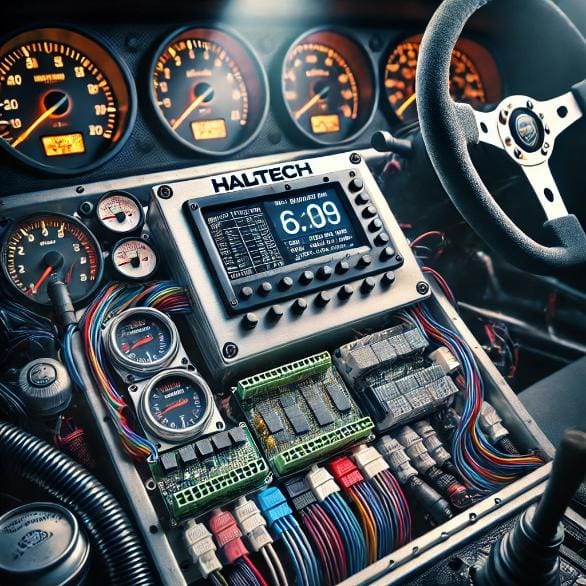
How ECU Tuning Improves Fuel Delivery, Timing, and Boost Control
When it comes to maximizing the performance of your 2JZ engine, ECU tuning plays a pivotal role. Think of the ECU (Engine Control Unit) as the brain of your engine; it controls various parameters that influence how your car performs. By tuning the ECU, you’re essentially giving it a smarter set of instructions that can lead to improved fuel delivery, optimized ignition timing, and enhanced boost control. But how exactly does this all work?
First off, let’s talk about fuel delivery. The right amount of fuel is essential for optimal combustion. When you tune your ECU, you can fine-tune the fuel maps, which are essentially the blueprints for how much fuel is injected into the engine at any given moment. This means that under different driving conditions—whether you’re accelerating hard or cruising on the highway—the engine will receive just the right amount of fuel. As a result, you can expect improvements in combustion efficiency, leading to better power output and fuel economy.
Next up is ignition timing. This refers to when the spark plugs ignite the air-fuel mixture in the engine. If the timing is off, you could experience sluggish throttle response or even engine knock, which can be detrimental to performance. Tuning the ECU allows you to adjust the ignition timing curve, ensuring that the spark occurs at the optimal moment. This not only enhances throttle response but also increases power output, allowing you to unleash the full potential of your 2JZ.
Lastly, let’s dive into boost control. For those running a turbocharged 2JZ, managing boost levels is crucial. ECU tuning enables you to set boost targets and control how quickly the turbo spools up. By optimizing the wastegate settings and adjusting boost levels, you can achieve a smoother power delivery and avoid unwanted spikes in boost pressure that could lead to engine damage. This meticulous control over boost can significantly enhance your driving experience, making it more enjoyable and powerful.
In summary, ECU tuning is not just a technical upgrade; it’s a game-changer for your 2JZ engine. By improving fuel delivery, ignition timing, and boost control, you’re setting the stage for a more responsive and powerful ride. So, if you’re serious about performance, investing in a proper ECU tune is absolutely essential!
Optimizing Fuel Delivery
When it comes to maximizing the performance of your 2JZ engine, is a game changer. Think of your engine as a finely tuned orchestra; every component needs to work in harmony to produce that sweet symphony of power. If the fuel delivery isn’t spot on, it’s like having a violinist who’s a beat off—no matter how good the rest of the musicians are, the performance falls flat.
To achieve optimal fuel delivery, tuners need to ensure that the engine receives the right amount of fuel under various operating conditions. This involves adjusting several factors, including fuel pressure, injector size, and pulse width. By fine-tuning these elements, you can significantly improve combustion efficiency, leading to better power output and fuel economy. Here are some key aspects to consider:
- Fuel Pressure: Maintaining the right fuel pressure is crucial. Too high or too low can lead to performance issues.
- Injector Size: Upgrading to larger injectors may be necessary for high-performance builds to ensure sufficient fuel flow.
- Pulse Width Modulation: Adjusting the duration that the injectors are open allows for precise control over fuel delivery.
Furthermore, using a quality fuel management system can help in monitoring and adjusting these parameters in real-time. This not only enhances performance but also protects the engine from potential damage caused by lean or rich conditions. A well-optimized fuel delivery system can lead to a noticeable difference in throttle response, making your 2JZ feel more alive and ready to roar.
In summary, optimizing fuel delivery is about making sure your engine gets exactly what it needs, when it needs it. It’s like tuning a guitar before a concert; without that crucial step, the performance will never reach its full potential. So, invest time in understanding your fuel system, and you’ll be rewarded with a smoother, more powerful ride.
Enhancing Ignition Timing
When it comes to squeezing out every last drop of performance from your 2JZ engine, ignition timing plays a pivotal role. Think of ignition timing as the conductor of an orchestra, ensuring that every note (or in this case, every spark) occurs at just the right moment for a symphony of power and efficiency. By optimizing ignition timing, you can significantly influence how your engine performs under various conditions, leading to improved throttle response and increased power output.
Adjusting ignition timing is akin to fine-tuning a musical instrument; even a slight change can lead to a noticeable difference in sound—or in this case, performance. By advancing the timing, you allow the spark to ignite the air-fuel mixture earlier in the compression cycle, which can enhance the engine’s power band. However, it’s essential to strike a balance; too much advance can cause knocking, which can be detrimental to your engine’s health.
Here are some key benefits of enhancing ignition timing:
- Improved Throttle Response: With optimized timing, your engine reacts quicker to your inputs, making it feel more lively and responsive.
- Increased Power Output: Proper timing adjustments can lead to a more efficient combustion process, resulting in more power being produced from the same amount of fuel.
- Better Fuel Efficiency: When the ignition timing is set correctly, the engine can burn fuel more completely, which can lead to better mileage.
However, it’s important to approach ignition timing adjustments with caution. Utilizing a wideband O2 sensor and a data logging system can provide invaluable feedback during tuning. These tools help you monitor the air-fuel ratio and engine performance, ensuring that you stay within safe limits while maximizing your engine’s potential. Remember, tuning is not a one-size-fits-all process; what works for one setup may not work for another, especially with different fuel types or environmental conditions.
In conclusion, enhancing ignition timing is a crucial aspect of tuning your 2JZ engine. By understanding the intricacies of how timing affects performance, you can make informed adjustments that lead to a more powerful, efficient, and enjoyable driving experience. So, grab your tuning tools and get ready to unleash the full potential of your 2JZ!
Plug-and-Play vs. Custom Harness Installations
When it comes to upgrading the ECU on a 2JZ engine, one of the most significant decisions you’ll face is whether to go with a plug-and-play system or a custom harness installation. Each option has its own set of advantages and challenges, and understanding these can help you make a more informed choice that fits your needs and expertise level.
Plug-and-play installations are designed for simplicity and ease of use. They typically require minimal modifications to your vehicle’s existing wiring and are often marketed as “ready to go” solutions. This means that if you’re not particularly tech-savvy or if you just want a quick upgrade, a plug-and-play ECU might be the way to go. You can expect a straightforward installation process that allows you to get back on the road quickly, making it an attractive option for many enthusiasts.
However, while plug-and-play systems are user-friendly, they may not provide the same level of customization as their custom counterparts. If you’re aiming for maximum performance and have specific tuning needs, you might find these systems somewhat limiting. They are great for moderate performance improvements, but if you plan to push your 2JZ to its limits, you might want to consider a more tailored solution.
On the other hand, custom harness installations offer a world of possibilities. These systems allow you to create a setup tailored to your specific performance requirements, giving you the flexibility to optimize various engine parameters. However, the trade-off is that they can be significantly more complex to install. This complexity often translates to higher costs and requires a greater level of technical knowledge.
To illustrate this point, here’s a quick comparison:
| Feature | Plug-and-Play | Custom Harness |
|---|---|---|
| Installation Complexity | Easy | Complex |
| Customization | Limited | Extensive |
| Cost | Lower | Higher |
| Performance Gains | Moderate | Significant |
In summary, the choice between plug-and-play and custom harness installations boils down to your specific needs and technical expertise. If you’re looking for a quick, hassle-free upgrade, a plug-and-play system is likely your best bet. However, if you’re serious about tuning and want to extract every ounce of performance from your 2JZ, investing the time and effort into a custom harness installation could pay off in spades.
Plug-and-Play Installations
When it comes to upgrading your 2JZ engine’s ECU, are a game changer for enthusiasts who want to enhance performance without diving into the deep end of technical modifications. Imagine being able to simply swap out your factory ECU for a high-performance unit that fits right in, like a puzzle piece snapping into place. This hassle-free approach appeals not only to seasoned tuners but also to those just starting their performance journey.
One of the most significant advantages of plug-and-play systems is their user-friendly installation. Typically, these systems come pre-configured for your specific vehicle model, which means you won’t have to worry about extensive wiring or custom harnesses. Just connect it to your existing setup, and you’re ready to hit the road with improved performance. This simplicity makes them perfect for those who might not have advanced mechanical skills but still want to enjoy the benefits of an upgraded ECU.
However, while the ease of installation is a major plus, it’s essential to consider the performance limitations that might come with these systems. Plug-and-play ECUs often provide a solid boost in performance, but they may not offer the same level of customization as standalone systems. For example, if you’re aiming for extreme tuning or specific performance goals, you might find yourself hitting a ceiling with a plug-and-play option.
In terms of cost, plug-and-play installations can be more budget-friendly compared to their custom counterparts. Here’s a quick comparison to illustrate the differences:
| Feature | Plug-and-Play | Custom Harness |
|---|---|---|
| Installation Complexity | Easy | Complex |
| Customization Level | Limited | Extensive |
| Cost | Lower | Higher |
Ultimately, the choice between plug-and-play and more complex systems boils down to your specific needs and goals. If you’re looking for a quick and effective upgrade that doesn’t require a PhD in automotive technology, plug-and-play installations are a fantastic choice. Just remember, while they may not offer the ultimate in customization, they still provide a significant boost to your 2JZ engine’s performance, making them a worthy investment for many enthusiasts.
Custom Harness Installations
When it comes to enhancing your 2JZ engine’s performance, can be a game-changer. Unlike plug-and-play systems, which are designed for ease of use, custom harnesses are tailored specifically to your vehicle’s unique requirements. This means you can achieve a more precise fit and optimal functionality, but it also comes with its own set of challenges.
One of the biggest advantages of custom installations is the flexibility they offer. You can choose the exact components that suit your performance goals, whether you’re aiming for a street-friendly setup or a full-blown race machine. However, this level of customization often requires a deeper understanding of wiring and electronics, making it essential to have some technical know-how or the assistance of a professional.
Here are some key considerations when thinking about a custom harness installation:
- Compatibility: Ensure that the harness is compatible with your specific ECU and other engine components. This will help avoid any potential issues down the line.
- Quality of Materials: Investing in high-quality wires and connectors can significantly improve reliability and performance, reducing the risk of electrical failures.
- Future Upgrades: A well-designed custom harness can accommodate future upgrades, allowing you to expand your engine’s capabilities without needing a complete overhaul.
While the benefits are clear, the challenges shouldn’t be overlooked. Custom harness installations can be time-consuming and require meticulous attention to detail. The wiring must be done correctly to avoid short circuits or other electrical issues that could lead to engine problems. If you’re not confident in your electrical skills, it might be wise to consult with a professional who specializes in custom installations.
Ultimately, if you’re serious about maximizing your 2JZ’s performance, a custom harness installation can provide the tailored solution you need. Just remember, with great power comes great responsibility—ensure you’re up for the challenge!
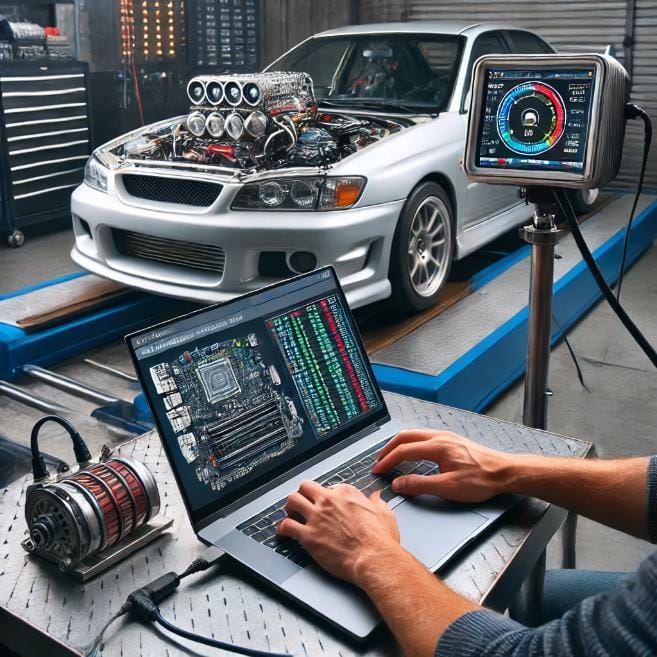
Final Thoughts: Getting the Most Out of Your 2JZ ECU Upgrade
Upgrading the ECU on your 2JZ engine is not just a mere enhancement; it’s a transformative step that can unlock a treasure trove of performance potential. You’re not simply swapping out a component; you’re embarking on a journey to elevate your driving experience. Imagine your car responding to your commands with precision, as if it were an extension of your own will. That’s the magic of a well-tuned ECU!
To truly maximize the benefits of your ECU upgrade, consider the following essential strategies:
- Understand Your Goals: Are you aiming for track dominance, street performance, or perhaps a balance of both? Knowing your endgame will guide your tuning decisions.
- Invest in Quality: Choose reputable brands like Haltech, MoTeC, or AEM. Quality components guarantee reliability and performance.
- Engage with Professionals: If you’re not well-versed in tuning, consulting with experienced tuners can save you time and potential headaches.
- Regular Updates: Keep your ECU firmware updated. Manufacturers often release updates that can enhance performance and fix bugs.
Moreover, remember that tuning is not a one-and-done deal. It’s an ongoing process that requires regular monitoring and adjustments. As you make changes to your engine setup, such as adding new mods or changing fuel types, your ECU settings may need to be re-evaluated to ensure optimal performance.
In summary, upgrading your 2JZ ECU is a significant investment in both time and resources, but the rewards are well worth it. By understanding your vehicle’s needs, choosing the right components, and engaging with experts, you can unleash the true power of your 2JZ engine. So, buckle up and get ready to experience the exhilarating performance that awaits you!
Frequently Asked Questions
- What is an ECU upgrade, and why is it important for a 2JZ engine?An ECU upgrade is a modification that enhances the engine control unit’s capabilities, allowing for better tuning and performance. For a 2JZ engine, this means improved fuel delivery, timing adjustments, and boost control, which can significantly increase power and efficiency.
- What are the differences between standalone and piggyback ECU systems?Standalone ECUs provide complete control over all engine parameters, making them ideal for serious performance builds. On the other hand, piggyback systems are easier to install and can enhance the factory ECU’s performance, but they offer less customization. Choosing between them depends on your performance goals and technical expertise.
- Which brands are recommended for 2JZ ECU upgrades?Top brands for 2JZ ECU upgrades include Haltech, MoTeC, and AEM. Haltech is known for its user-friendly interface, MoTeC for its precision and extensive features, and AEM for its versatility and tuning flexibility. Each brand caters to different performance needs, so consider your specific requirements when choosing.
- What features should I look for in a 2JZ ECU?When selecting an ECU for your 2JZ engine, look for features like data logging capabilities, which allow you to monitor performance in real-time, and flex fuel compatibility, enabling adjustments based on ethanol content. These features can greatly enhance tuning accuracy and overall engine performance.
- Is it better to choose a plug-and-play or a custom harness installation?Plug-and-play installations are great for those who want a straightforward upgrade without extensive modifications, while custom harness installations offer tailored solutions for specific performance needs. However, custom installations typically require more technical expertise and time, so weigh your options based on your comfort level and goals.